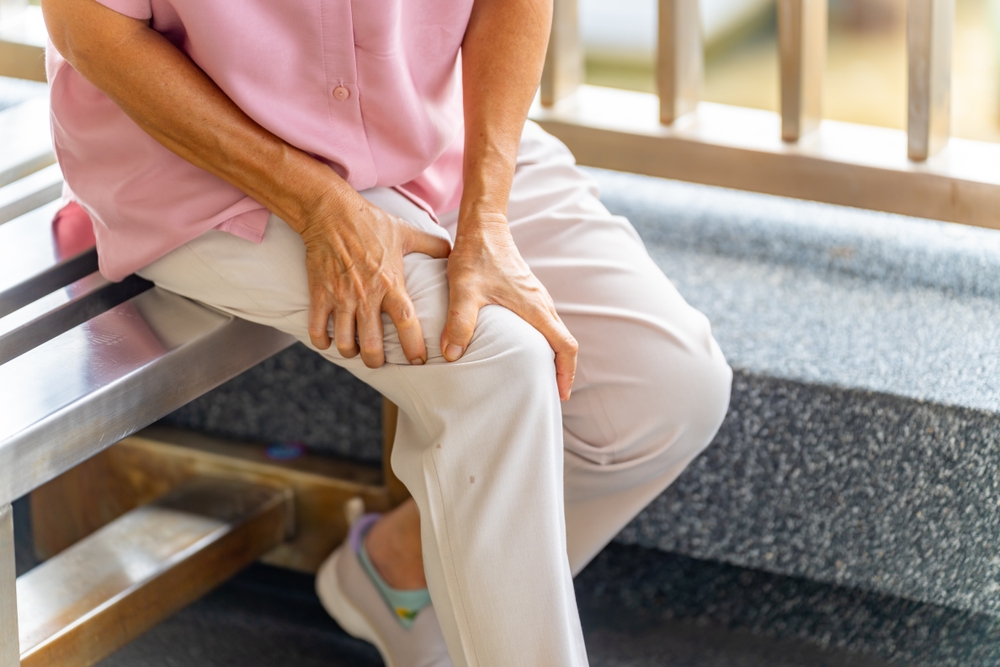
Osteoporosis is a medical condition in which bones, which are essential for the body's structure, become weak and thin, leading to a much higher risk of easily breaking bones. While anyone can develop this condition as they age regardless of gender, research shows that women have a higher risk of osteoporosis. Specifically, people aged 50 and older, particularly women compared to men, are more prone to osteoporosis and low bone density due to hormonal changes and the weakening of bones after menopause. Let's read on in this article to learn about the causes behind this and some ways you can prevent osteoporosis as much as possible.
The Role of Estrogen
The primary cause of osteoporosis is hormonal changes. In women, until the onset of menopause, the hormone estrogen maintains a healthy balance between bone breakdown and the formation of new bone, helping protect and maintain good bone density. Naturally, when the menopausal stage arrives, estrogen levels drop significantly, which begins to adversely affect bone health. According to an article by the Healthcare Network, some women can lose up to 25 percent of their bone mass within the first ten years after menopause.
Additionally, women who experience early menopause, have had their ovaries surgically removed for various reasons, or suffer from irregular menstrual cycles may also have lower estrogen levels, placing them at a higher risk for osteoporosis. Other risk factors that can weaken bones include:
- A family history of osteoporosis.
- Low body weight.
- Excessive smoking and alcohol consumption.
- A lack of physical activity.
- Inadequate intake of calcium or vitamin D.
- Other medications and health conditions that negatively impact bone health.
Ways to Prevent It As Much As Possible
Osteoporosis is a condition to watch out for because it often shows no obvious symptoms, and you may only realize that your bone mass and density are low after a bone actually breaks. Therefore, to keep your bones stronger starting around your twenties and thirties:
- Perform weight-bearing exercises and muscle-strengthening exercises.
- Maintain a lifestyle and diet that ensures you get enough calcium and vitamin D.
- Quit smoking and limit alcohol consumption.
- Consult a medical specialist about whether you should get a bone density test.
As highlighted in an article by the NIH, since bone loss tends to accelerate particularly around the time of menopause, it is important not only to take preventive measures but also to undergo timely bone density tests.
Although women have a higher risk of developing osteoporosis, you should not assume that bone health is entirely out of your control. With a healthy daily lifestyle and diet, along with timely screenings and treatments, you can reduce the likelihood of declining bone density and minimize the risk of bone fractures.




Comments