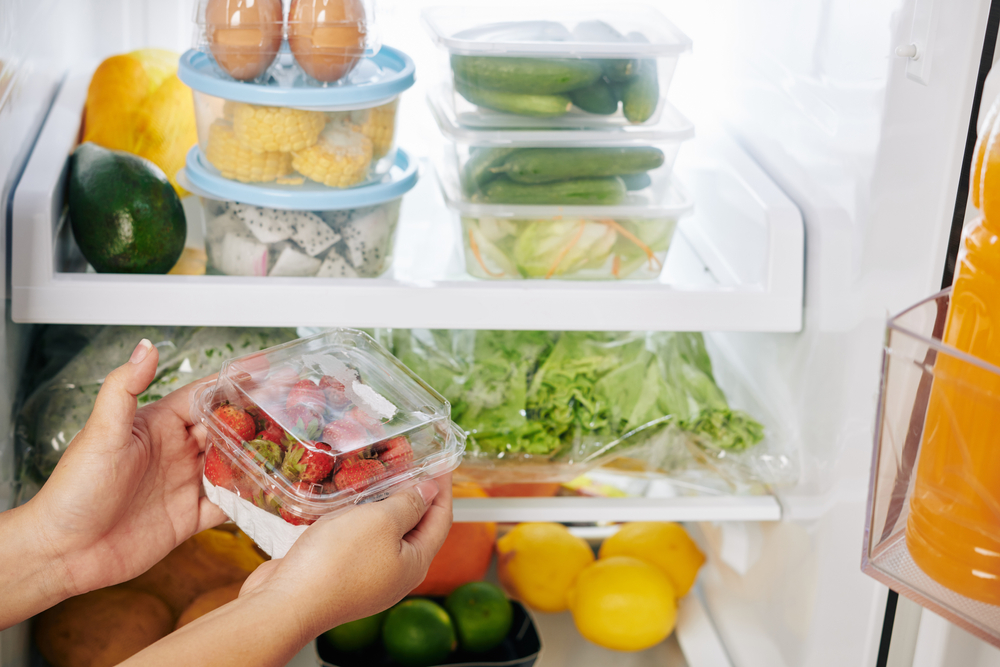
Do you just toss your raw meat, fish, and vegetables into the refrigerator however they fit when you return from the supermarket? Are you accidentally storing leftover food right next to other fresh groceries? If so, you need to read this article to the end.
Organizing your refrigerator systematically isn’t just for aesthetics, it is a crucial health practice. Proper storage helps food last longer and prevents the growth of harmful bacteria. To help you maintain a healthier kitchen, here is a guide on where to store specific types of food in your refrigerator.
Why Proper Organization Matters?
Many people assume that putting food inside the refrigerator is enough. However, the temperature inside a fridge is not uniform. The freezer section is the coldest, while the shelves and door compartments have varying temperatures despite the thermostat settings. Storing raw meat in areas that aren't cold enough or keeping perishable items like milk in the door compartments, causes food to spoil quickly. Organizing your fridge correctly is the best way to ensure both food safety and hygiene.
A Step-by-Step Guide to Fridge Organization
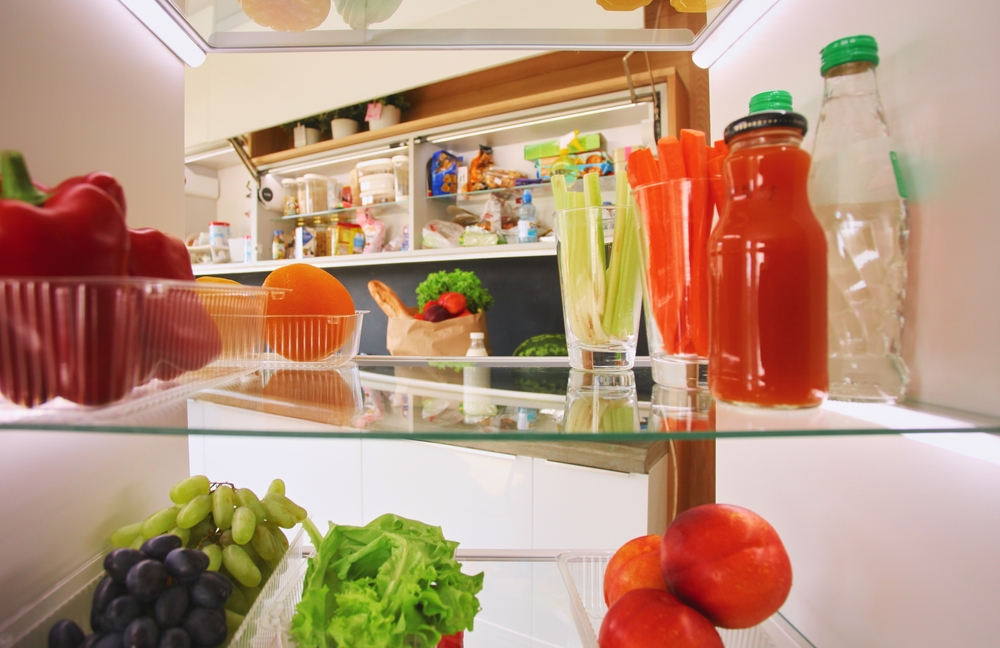
To keep your groceries fresh and prevent the growth of mold and bacteria, organize your fridge by category:
Top Shelf: This is the perfect spot for leftovers, cooked meals, and ready-to-eat foods stored in airtight containers. The temperature here is the most stable, and it’s easy to grab these items when you’re ready to eat.
Middle Shelves: These are best for dairy products like milk, cheese, and eggs. Storing them here keeps them fresh without the risk of freezing.
Bottom Drawers (Crisper Drawers): These are designed to maintain the humidity required for fruits and vegetables. Keep your veggies in these drawers, preferably in loosely opened plastic bags, to maintain their freshness and moisture.
Freezer Compartment: Whether it is at the top or bottom of your fridge, this coldest section is dedicated solely to raw meat, fish, and seafood. Keeping them in the freezer prevents juices from dripping onto and contaminating other foods.
Important Storage Tips
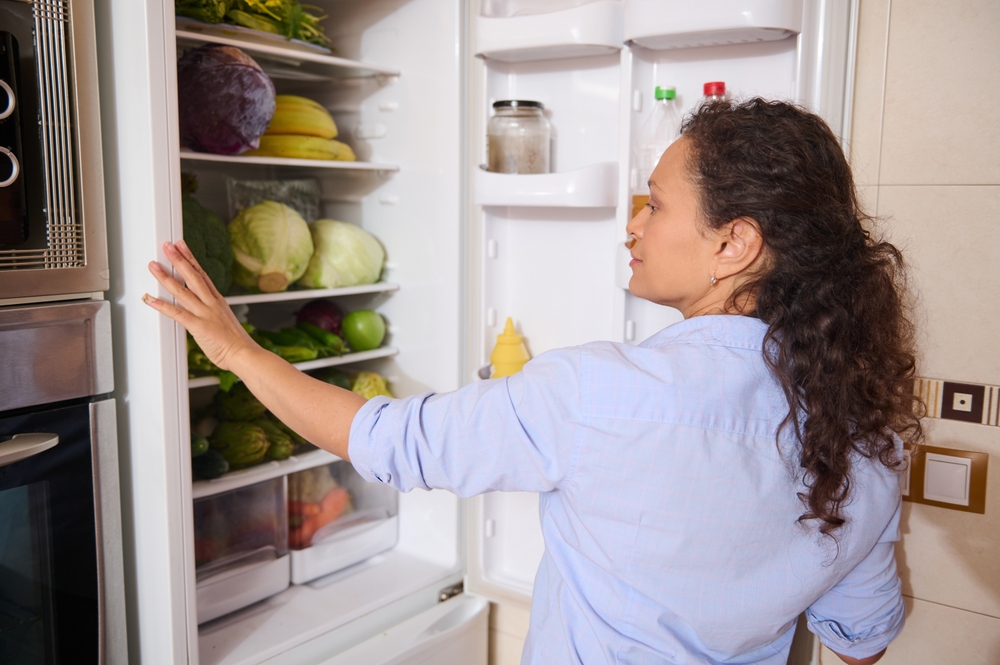
Even with the right organization, you need to ensure proper airflow. Do not overstuff the refrigerator; leave a little space so the cold air can circulate freely.
Temperature Control: Keep your refrigerator at 40°F (4°C) or colder. Regularly check the rubber seals on the fridge door to ensure cold air isn’t escaping.
Door Storage: Remember that the temperature in the door changes every time you open it because it is exposed to the outside air. Therefore, store only items that are less prone to spoiling, such as condiments, sauces, and bottled beverages, in the door racks.
Organizing your items by category helps maintain a consistent internal temperature and prevents cross-contamination of odors and bacteria between foods. Use this guide to make your refrigerator more organized and ensure your family eats healthier, safer food. Start reorganizing your fridge today!



Comments