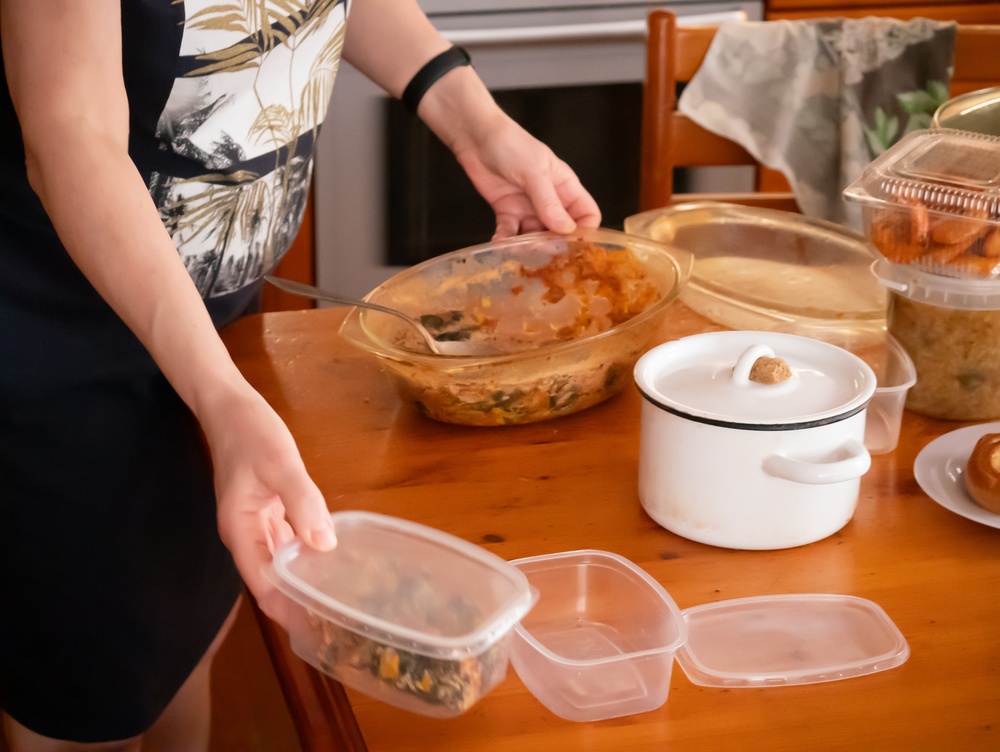
Leftovers are a lifesaver on busy days, offering an easy way to enjoy a meal without having to start from scratch. While cooking and eating fresh food is always ideal, for those who are short on time or occasionally cook a bit too much, saving leftovers for the next day is a practical choice. The most important thing is to store them properly to prevent foodborne illnesses and reduce food waste. This article covers the best methods for storing and reheating your food safely.
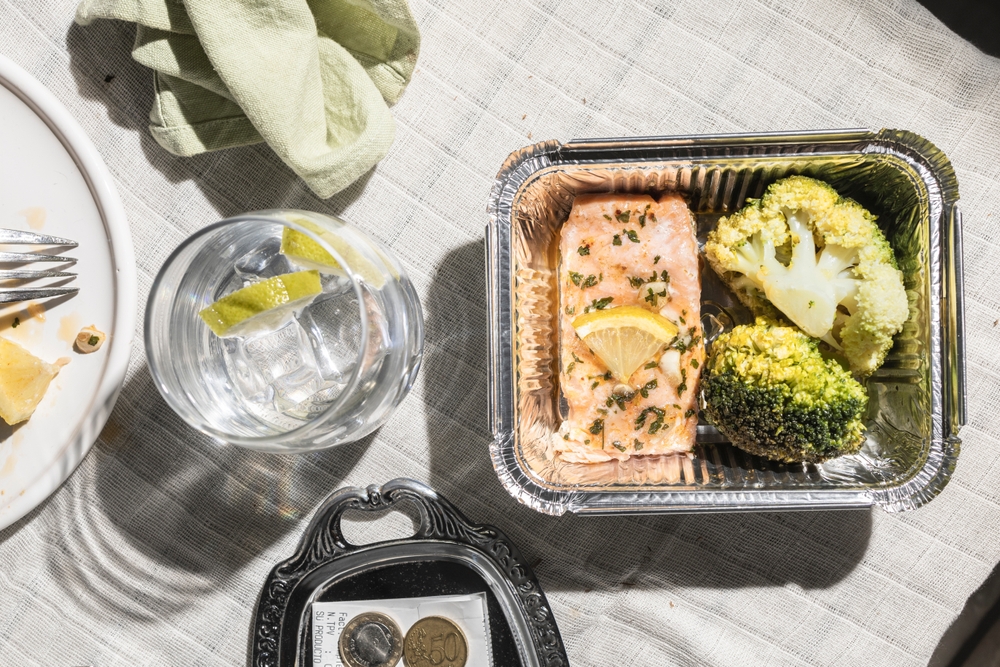
When should you start storing food?
If you don't eat all your food immediately, it is tempting to leave it on the counter for a few hours. However, leaving food at room temperature, especially in hot weather, allows bacteria to multiply rapidly. You should be particularly cautious of the "danger zone" between 40°F and 140°F (4°C – 60°C). According to Food Safety guidelines, you should avoid leaving leftovers at room temperature for more than two hours. Placing leftovers in the refrigerator as soon as possible is the best way to prevent bacterial growth and protect your family's health.
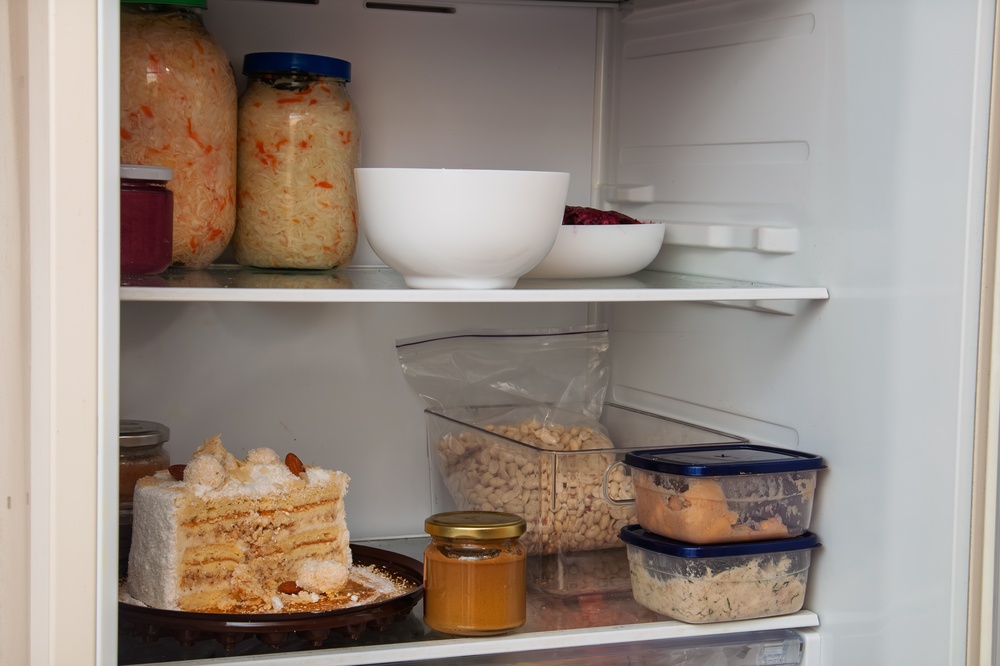
How to prepare leftovers before refrigerating?
You shouldn't just pack food away immediately without proper preparation. Here is what you should do:
- Cool it down: While you shouldn't leave food out for too long, you also shouldn't put a large, steaming-hot pot directly into the fridge. To prevent temperature spikes that can spoil other food, divide the food into smaller, shallow containers to let them cool slightly before refrigerating.
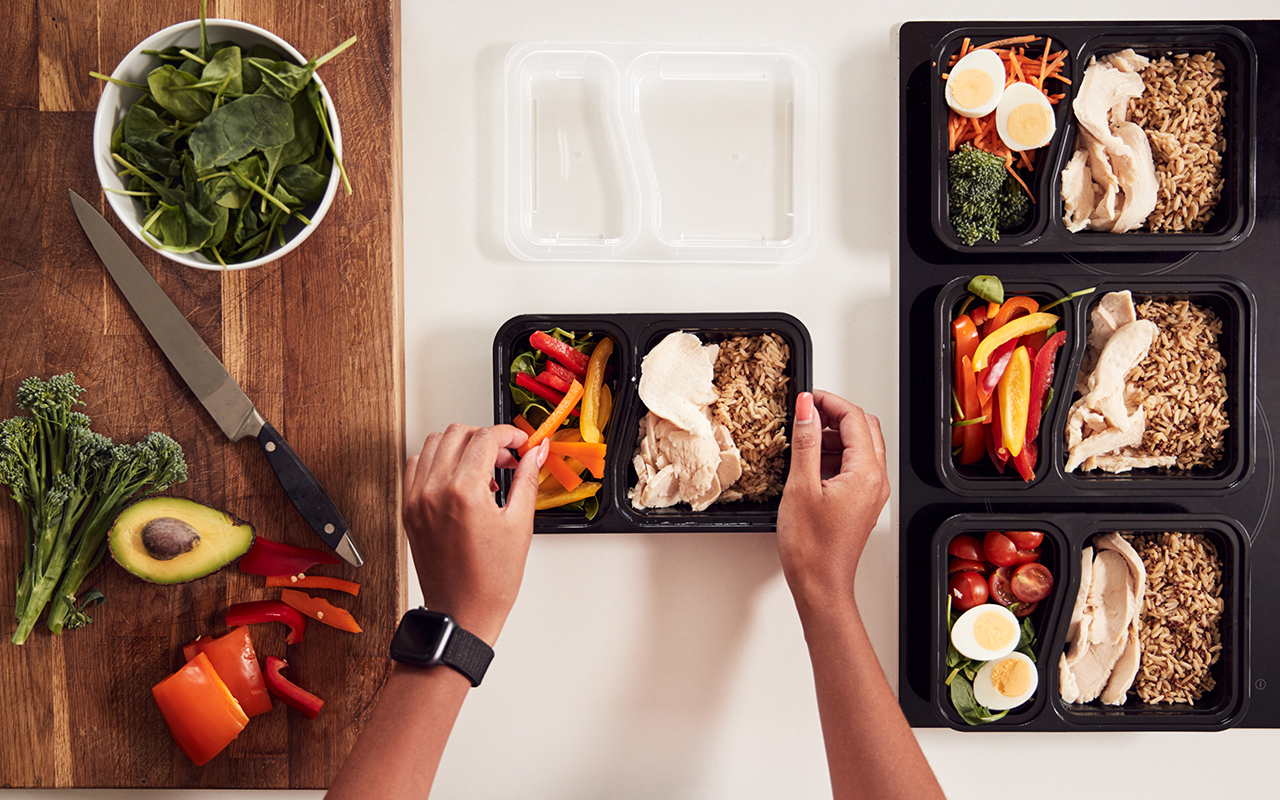
- Use airtight containers: Always use high-quality glass or plastic airtight containers. This prevents cross-contamination of odors with other foods in the fridge and blocks bacteria from entering.
- Label the dates: For those who meal prep, labeling the containers with the date they were cooked is essential. This helps you track how long food has been stored and prevents you from accidentally eating something that has been in the fridge too long. It is recommended to consume refrigerated leftovers within 3 to 4 days for safety.
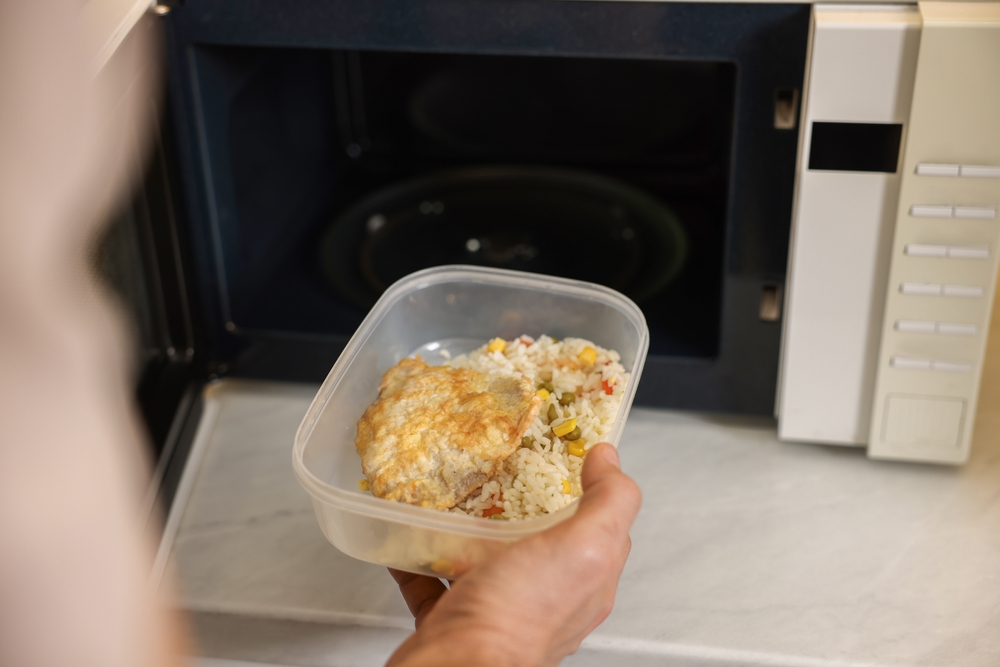
Things to watch for when reheating
When reheating leftovers, you must ensure the internal temperature of the food reaches 165°F (74°C). Simply warming it up slightly can not only fail to destroy bacteria but can also lead to stomach aches or food poisoning. If you are using a microwave, cover the dish to ensure heat is distributed evenly, which helps kill bacteria more effectively.
By following these storage and reheating practices, you can minimize food waste and save money. More importantly, you can rest assured that the meals you serve to your loved ones are safe and hygienic.

Comments