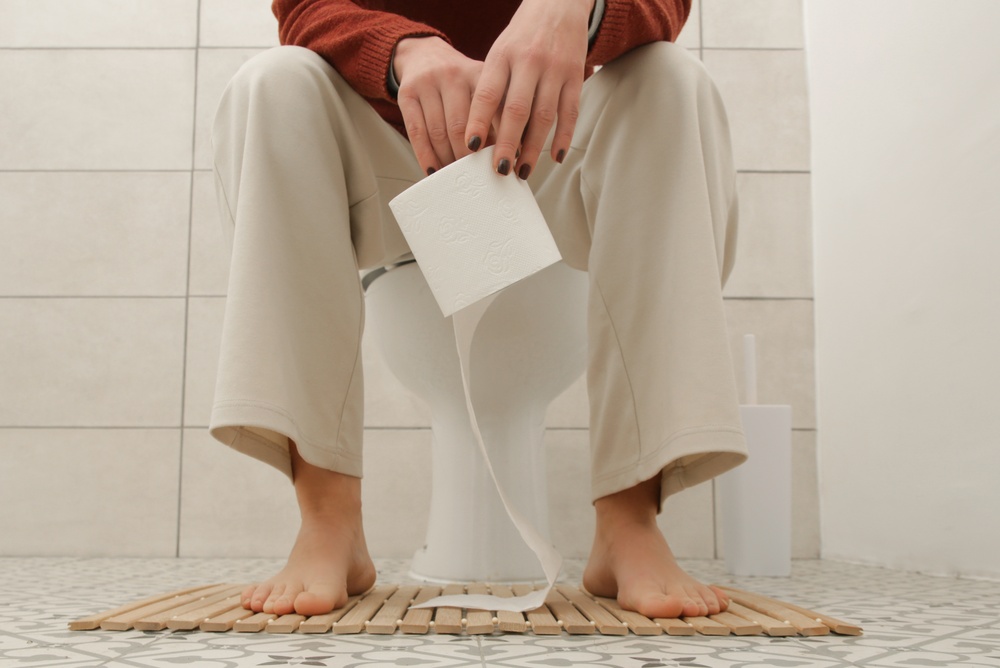
When diarrhea strikes, most people immediately think about what they ate, wondering, "Did I eat something wrong?" or "Did I eat something unclean?" In reality, besides food itself, there are many potential causes of diarrhea ranging from unwashed hands, dirty plates, spoons, and forks to kitchen food-preparation areas, dining spaces, and even restrooms. Because currently spreading diarrheal illnesses are often transmitted through these overlooked places, it is best to know what precautions and measures should be taken.
According to a WHO article, safe drinking water, food hygiene, regular handwashing, and proper sanitation systems are extremely important methods for preventing diarrheal diseases. Therefore, along with eating hot and clean food, let's look at other important points you should know.
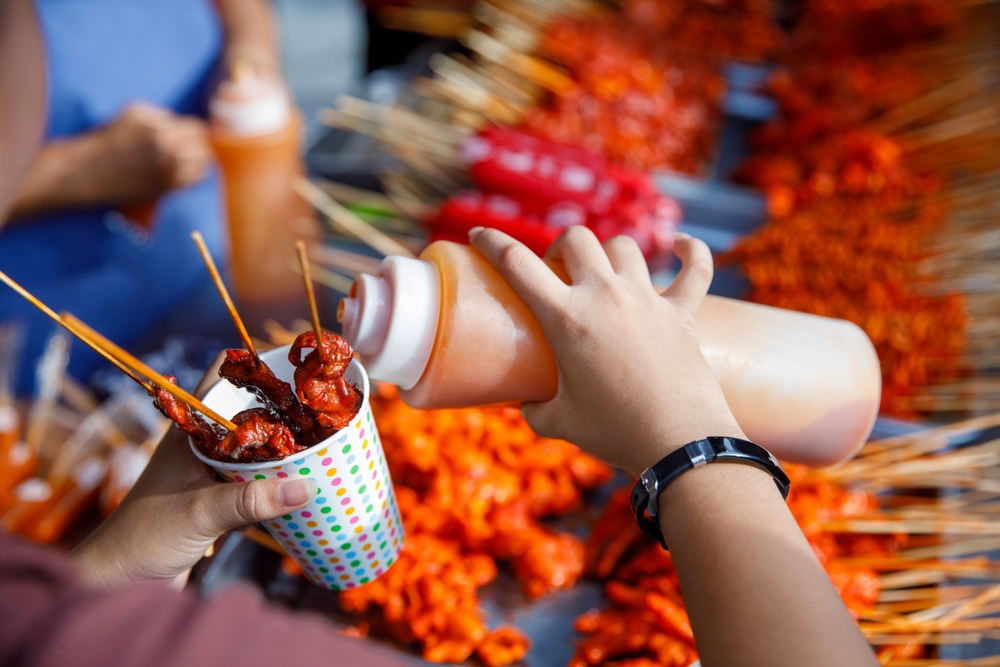
Street Food
While street food from roadside vendors is delicious, time-saving, and affordable, most vendors tend to fall short on hygiene. Consequently, food bought from such street vendors is most likely to cause illness and diarrhea, so you should exercise caution. If you must eat street food, you should check in advance:
- Is the food thoroughly cooked and served piping hot?
- Does the vendor use clean tongs, spoons, or gloves?
- Are raw meats kept strictly separate from cooked foods?
- Is the food protected from flies, mosquitoes, dust, and contaminated water?
If you feel something is unhygienic, it is most important to avoid undercooked meats and eggs, raw salads, unpeeled fruits, and food left sitting out in the open.
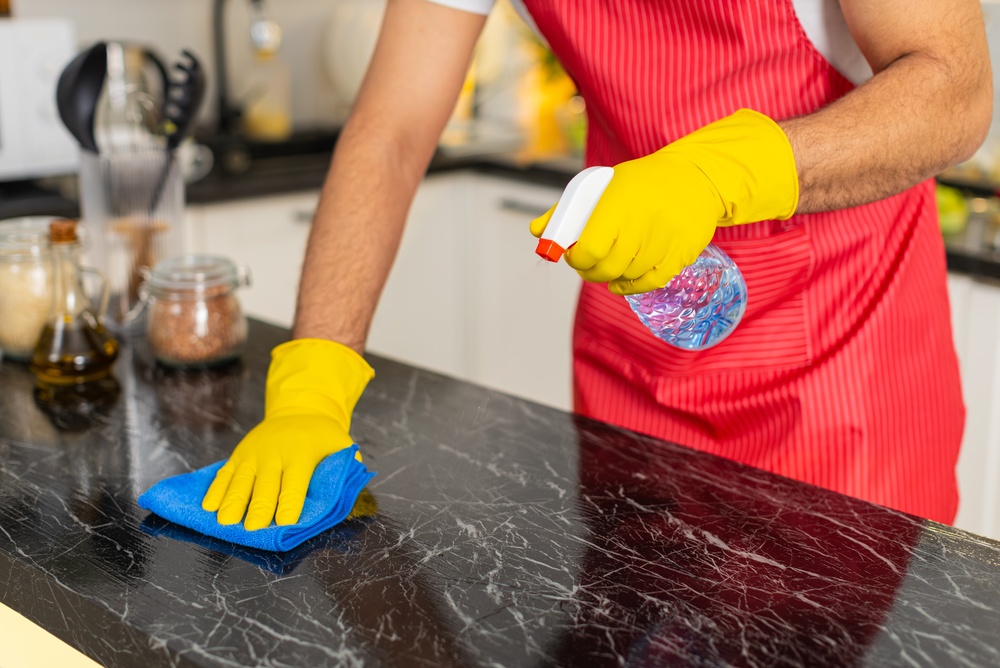
Water and Kitchen Hygiene
Contaminated drinking and utility water, dirty plates and spoons, and an unclean kitchen can foster and spread germs, leading to unhygienic food preparation. Therefore, clean water must be used not only for drinking and personal hygiene but also for food preparation tasks such as washing vegetables and cooking. If you cannot trust your water supply, use boiled or treated water. To produce clean and fresh food, you need to follow these kitchen practices:
- Keep raw meats completely separate from cooked foods.
- Thoroughly wash your hands, cutting boards, knives, bowls, and plates immediately after handling raw meat and seafood.
- Cook food thoroughly and consume it while it is hot.
- Do not leave leftover food at room temperature for too long; store it in the refrigerator immediately.
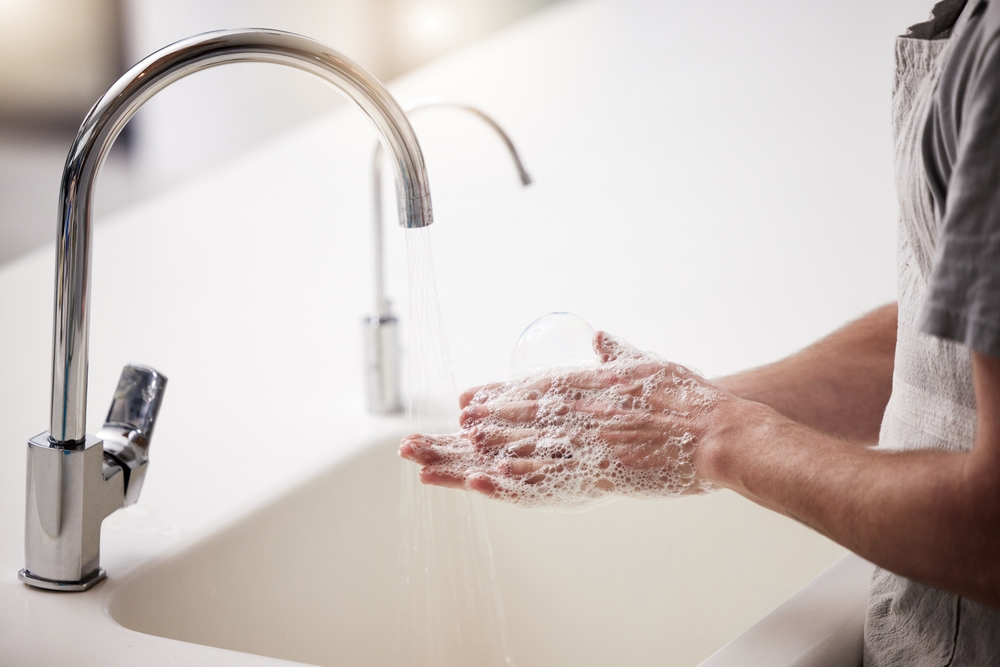
Hand Hygiene
Handwashing is a frequent reminder that many people unconsciously overlook as a weak habit. Therefore, when it comes to handwashing:
- Always wash your hands with soap before eating and after using the restroom.
- If soap and water are not available, use an alcohol-based hand sanitizer.
Both adults and children should make it a habit to thoroughly wash their hands properly as soon as an opportunity arises.
Even with these hygiene practices, if you accidentally develop diarrhea, drink plenty of fluids and monitor for signs of dehydration. If you experience bloody stools, severe abdominal pain, persistent vomiting, fever, or decreased urination, you should seek proper medical treatment. Therefore, for warm, fresh food and a healthy lifestyle, hygiene is an essential health safeguard required for everyday life!



Comments