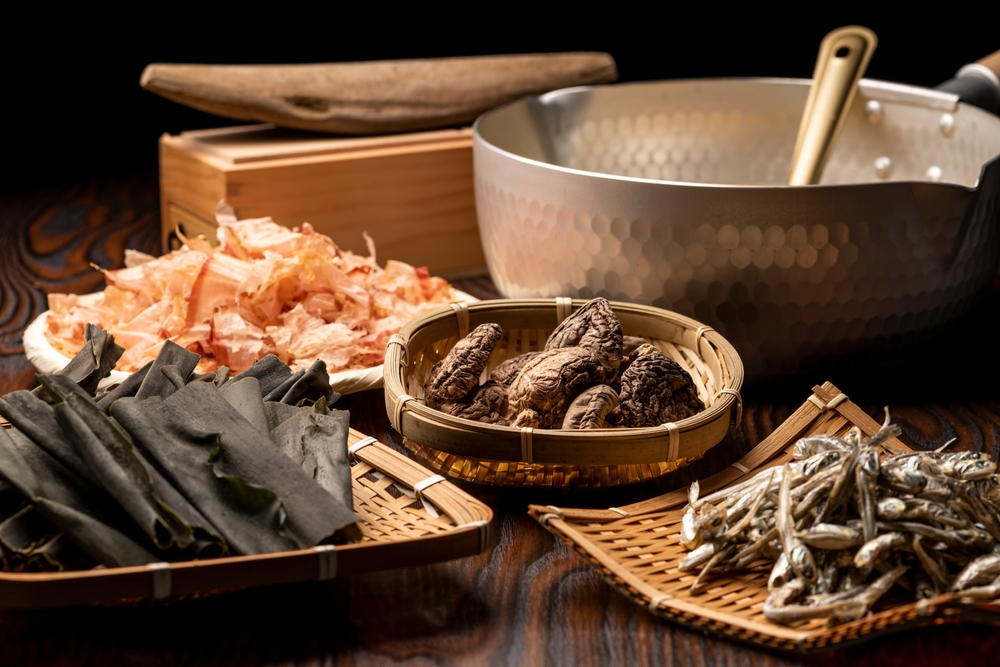
Along with the four basic tastes, sweet, sour, salty, and bitter, there is a fifth flavor called "Umami" that brings balance and depth to any dish, making it truly mouth-watering. We often buy Umami-rich ingredients for our daily cooking without realizing it. Many natural ingredients like meat, fish, tomatoes, cheese, and soy sauce are packed with Umami, yet we sometimes overlook them, missing out on the dish's full potential.
Umami is especially prominent in Asia, like Japanese and Korean cuisines, where fermented ingredients are used to create deep, complex flavor profiles. Let’s explore what Umami is and how you can use it to elevate your cooking.
What is Umami?
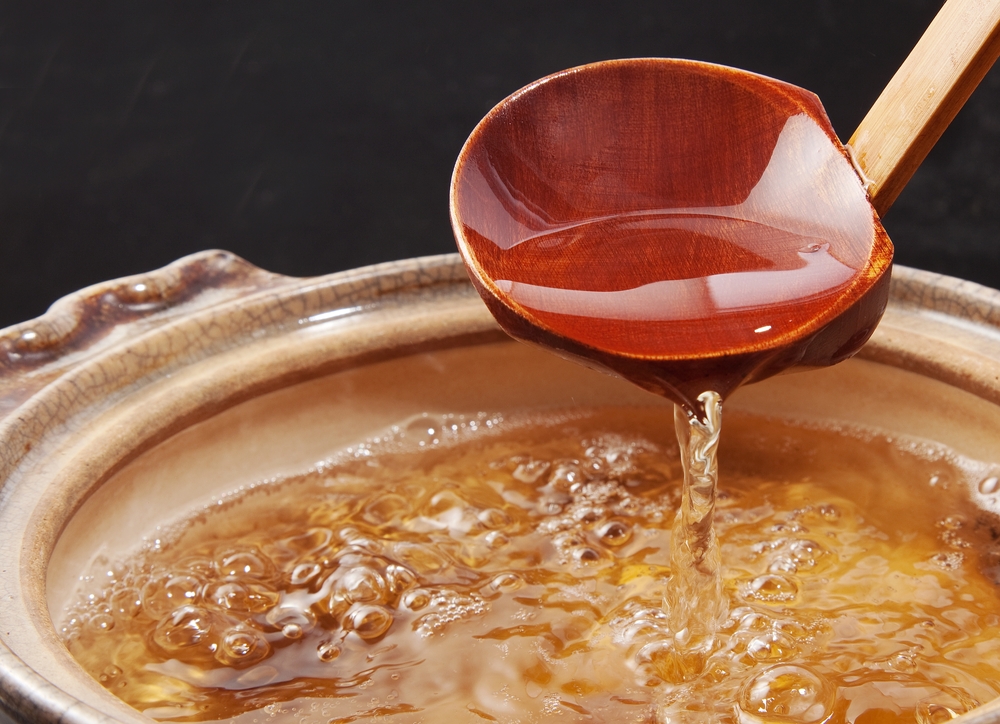
Scientifically, Umami is created by an amino acid called glutamate. Unlike other tastes, Umami lingers on the tongue and provides a sense of "completeness" to a dish. The term originated in Japan in 1908, derived from a word meaning "delicious" or "essence of taste." While it was traditionally used in Asian cooking, today, chefs worldwide rely on Umami to enhance the richness of their culinary creations.
The Role of Fermentation in Enhancing Flavor
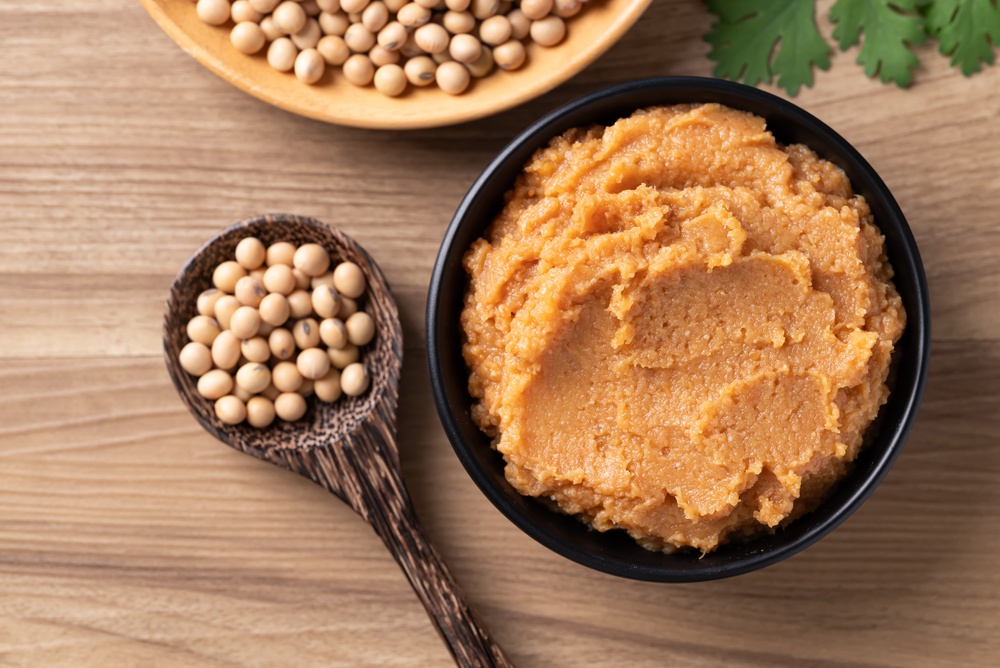
Fermentation is a key technique. It breaks down proteins into amino acids, which creates and intensifies that deep Umami flavor.
Japanese Cuisine: Umami is the foundation of Japanese cooking, primarily built using Kombu (kelp) and Katsuobushi (dried bonito flakes) to create dashi (stock). Miso (fermented soybean paste) and soy sauce are also staple ingredients used to build a solid Umami base in many dishes.
Korean Cuisine: Korean Umami is rooted in Doenjang (soybean paste), Gochujang (chili paste), and Ganjang (soy sauce). Furthermore, Kimchi—the iconic fermented cabbage—is a powerhouse ingredient. When these carefully fermented bases are combined, they create that distinct, profound flavor profile that makes Korean food so unique.
Where to Experience Umami?
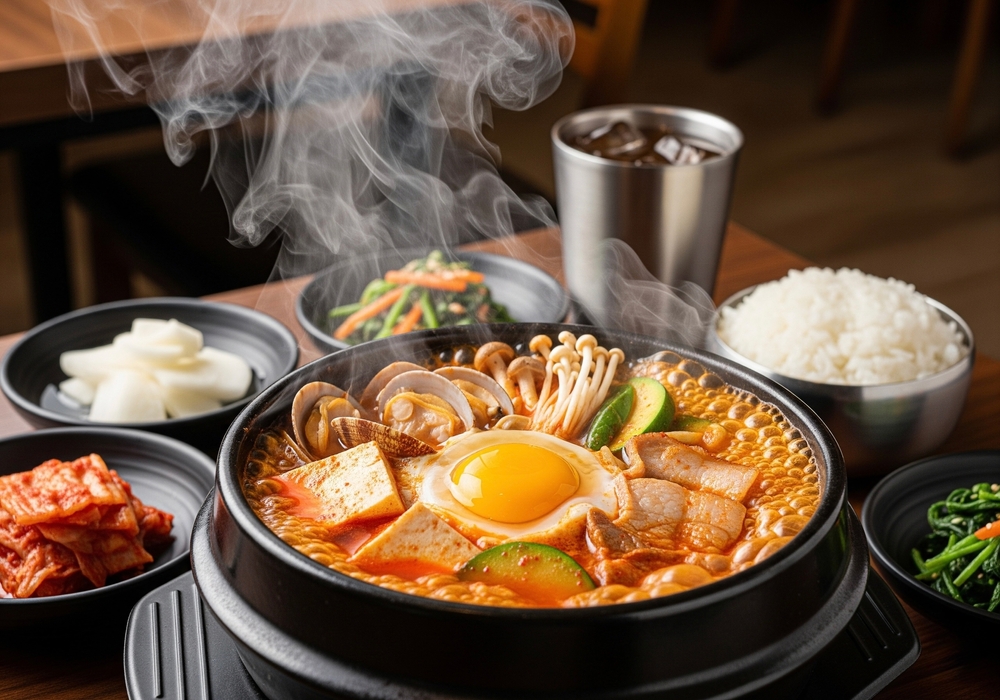
You can experience the full power of Umami in these classic dishes:
Miso Soup: A fundamental Japanese dish, this soup is made from a base of miso paste, offering a rich, savory, and satisfying experience.
Kimchi Jjigae (Kimchi Stew): This popular Korean dish uses fermented kimchi to create a tangy, spicy, and deeply savory broth that is incredibly appetizing.
Ramen: This Japanese noodle soup is the ultimate Umami experience. By combining meat-based broths with miso or soy-based seasonings, it delivers a deep, complex flavor that is guaranteed to be delicious.
So, this article has helped you understand the magic of Umami, a flavor that adds depth to your cooking and is the secret behind the iconic, well-rounded tastes of Japanese, Korean, and other Asian cuisines!





Comments